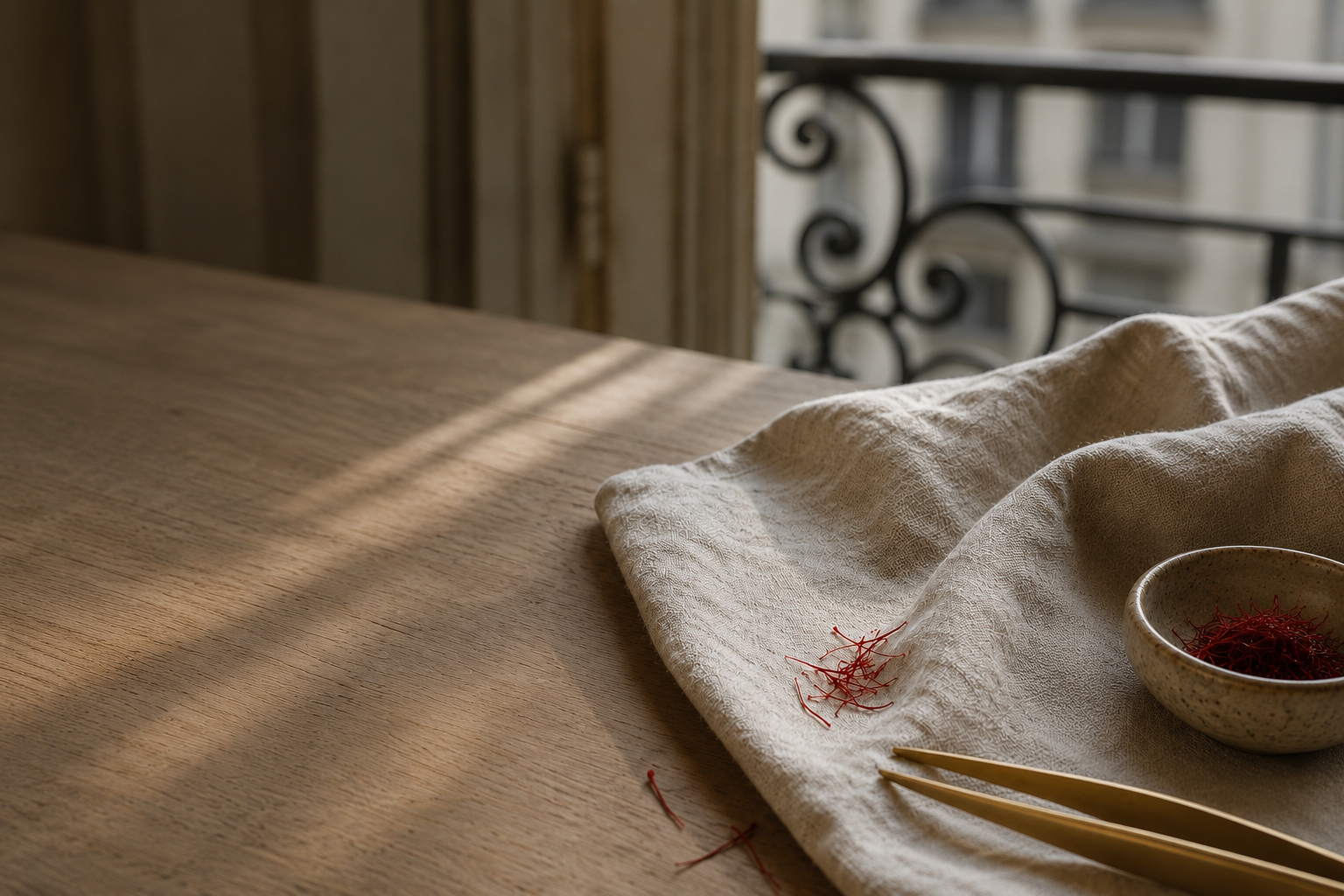
Our Story
The Flower
Before it is anything else, saffron is a flower.
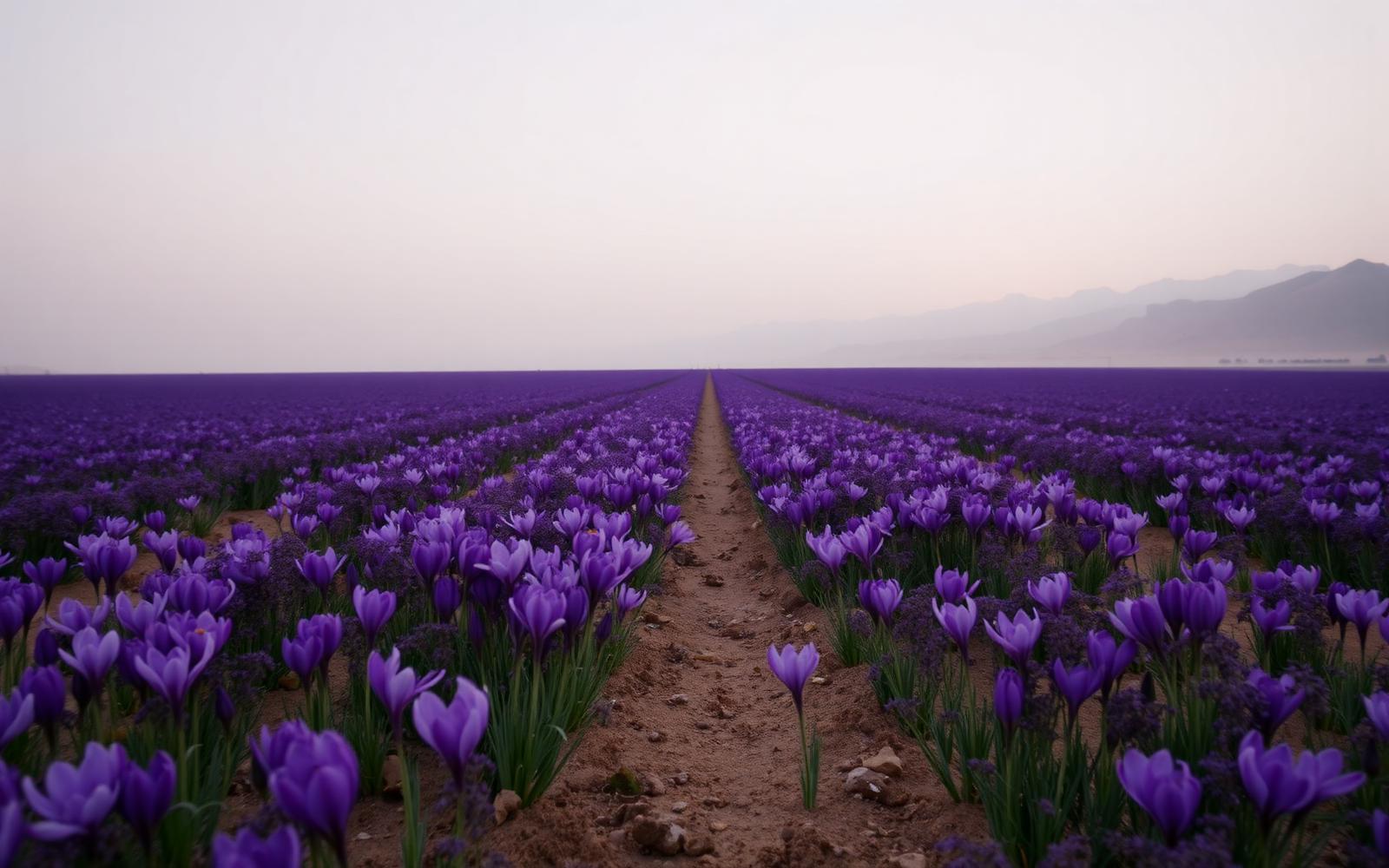
Crocus sativus opens for a single morning in late autumn, on the high plateau of Khorasan, when the air is cold enough to hold its breath. Each flower carries three crimson stigmas — no more, no less — and each stigma weighs almost nothing.
One hundred and fifty flowers, gathered before the sun crests the ridge, yield a single gram of saffron. The arithmetic is not marketing. It is the plant.
The Harvest
Harvest begins in darkness. The pickers walk the rows by the memory of the field, cutting the flowers whole at the base, before the light warms the petals and the aroma begins to leave.
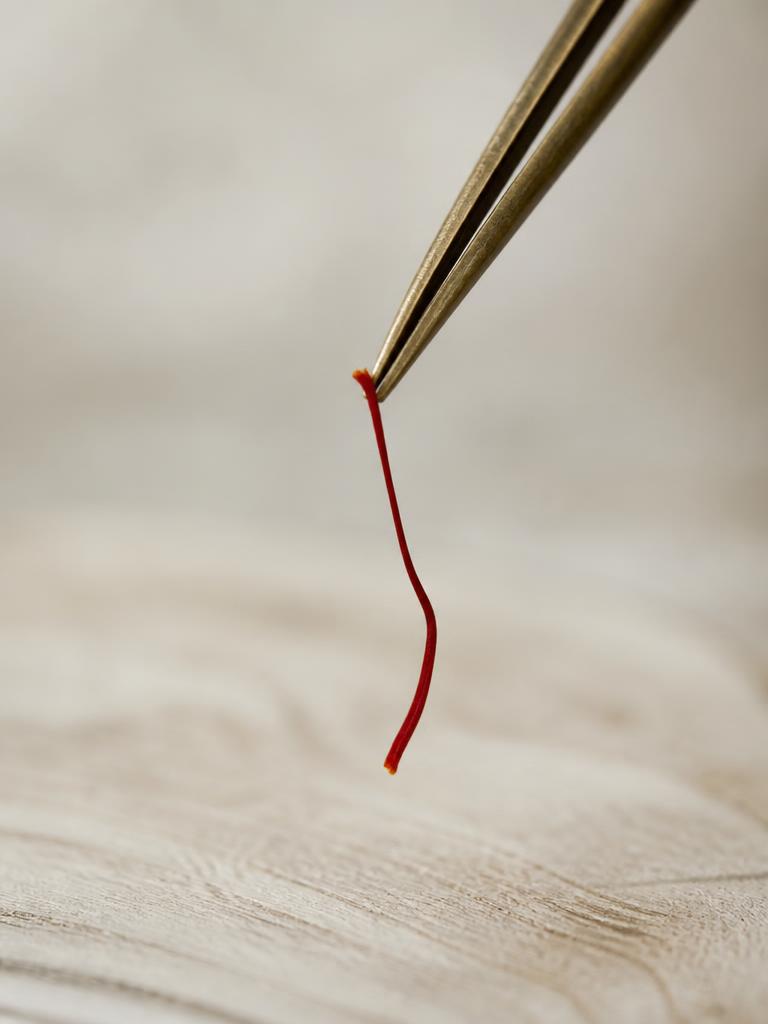
The baskets are carried indoors within the hour. At long tables, unhurried hands separate the three stigmas from the flower, discarding the yellow style where the crimson pales — the cut at which threads become grade.
The threads are dried slowly, at low heat, in the shade. Nothing is rushed. What survives the drying is what will be weighed.
Two Traditions
Saffron is Persian by three thousand years of cultivation, and French by centuries of the art of selection. Neither claim is the whole; the meeting is.
In Khorasan, the plant, the calendar, the hand that knows the flower — the discipline of cultivation, passed forward without ceremony. In France, the discipline of choosing — of tasting, weighing, refusing — the practice that carried a table into an art.
Maison Piruz was founded at that meeting. Not as translation, not as import. As the recognition that these two traditions, held with equal seriousness, produce a single result.
The Name
Piruz means victorious. It is an old name, and it is carried by people — by the growers we know by name, by the families whose fields we return to each autumn, by the harvests we attend rather than order.
The house is small on purpose. A cousin walks the rows in October. A friend of the family opens the drying room. The threads reach Paris in the same season they were cut, still holding the plateau.
This is not craftsmanship as posture. It is the ordinary condition of doing the work oneself, with people one trusts, at a scale that permits attention.
The Papers
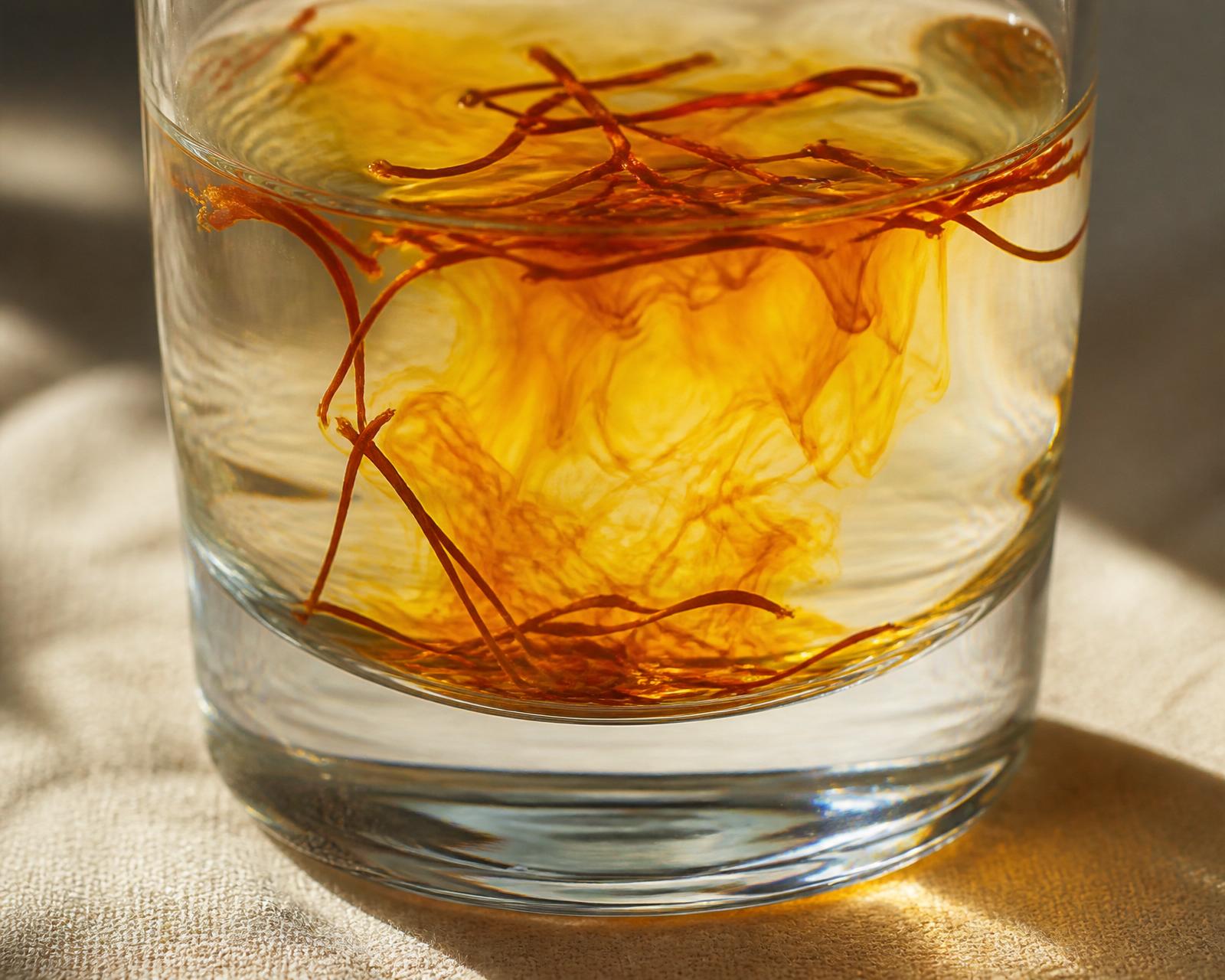
Every lot arrives in France and is sent, before anything else, to an independent laboratory. Its coloring strength, aroma, and bitterness are measured against the ISO 3632 practice; only Grade I Super Negin threads pass into the edition.
The results are published, in full, against each lot. Nothing is averaged. Nothing is rounded.
The threads are then sealed in glass, in the dark, for France. The papers accompany the jar. This is not marketing. It is respect.
The Close
One flower.One standard.No compromise.